K2702 wrote:Ok getting somewhat discouraged, I can pick up AM channels like gang busters but cannot find anything else to save my life. I currently have a 25’ antenna in side, don’t know if it’s enough or not.
Where should I be listening? CSB/CW or USB/CW and what MHZ should prove to be the most productive.
What am I listing for? Any Thing! Overseas, HAM, Shortwave, would just like to hear something other than AM.
Any suggestions would be appreciated.
Thanks for your Help!!!
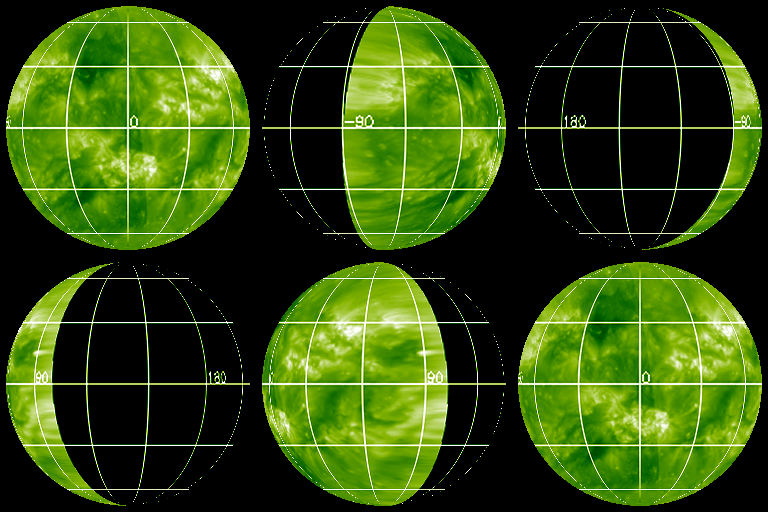
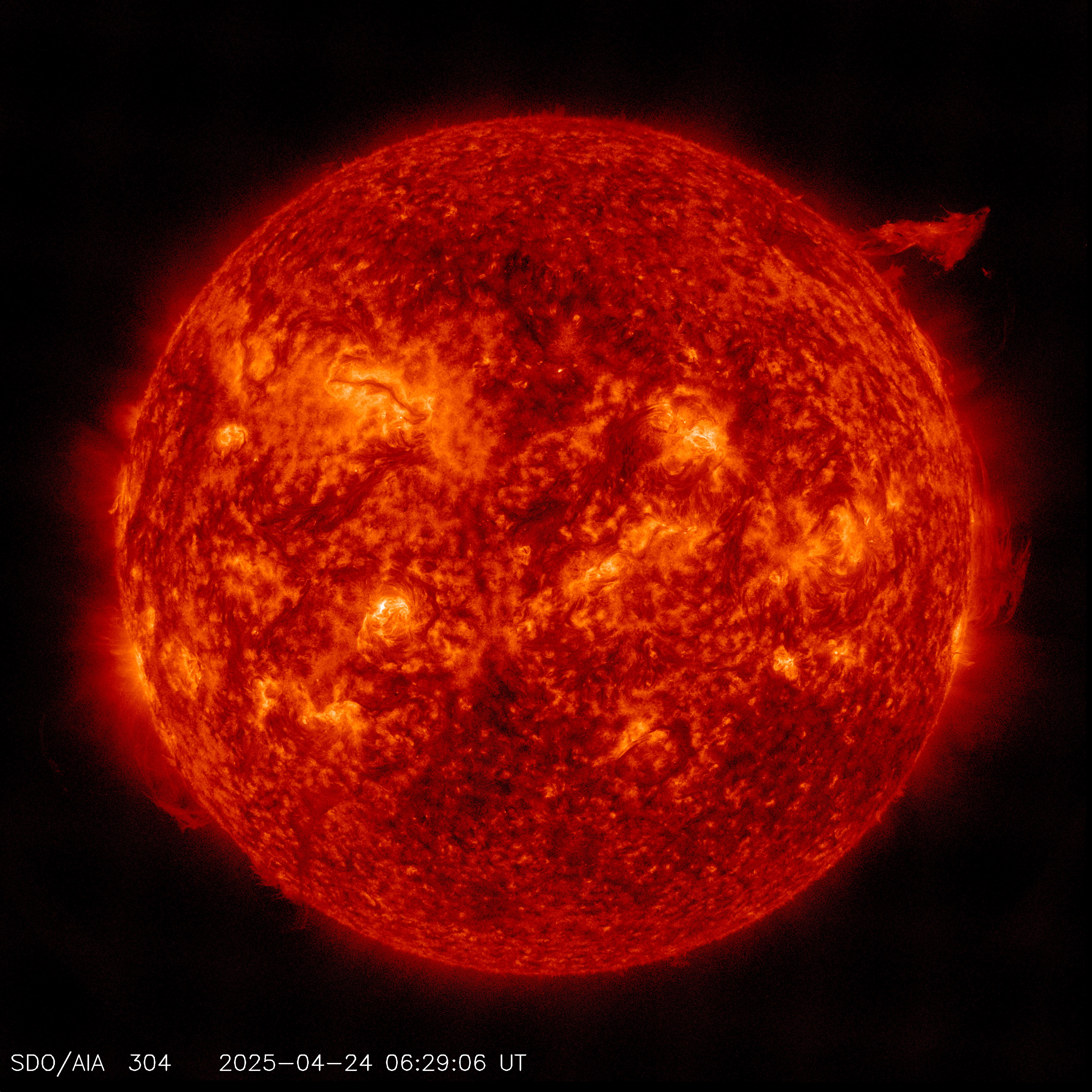
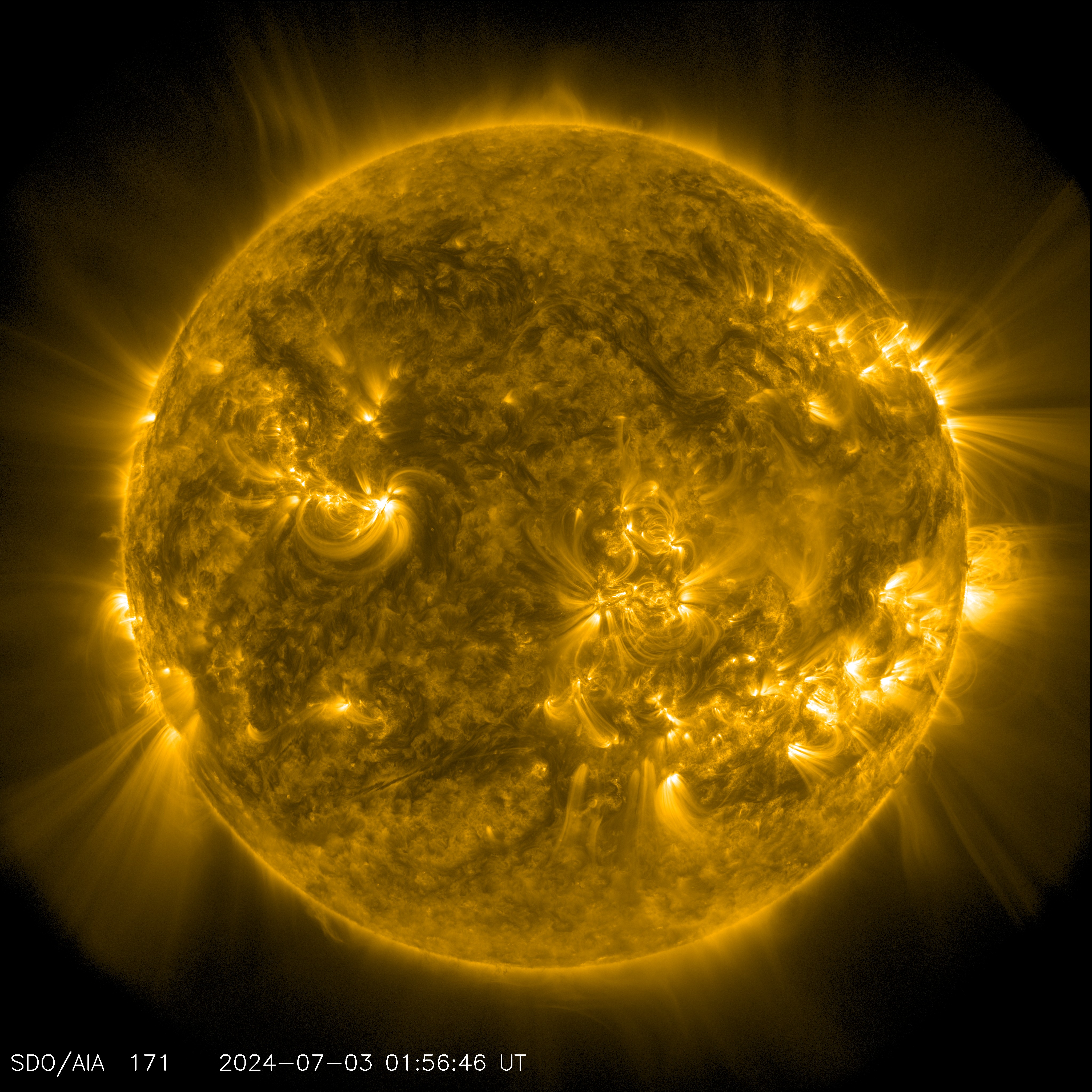
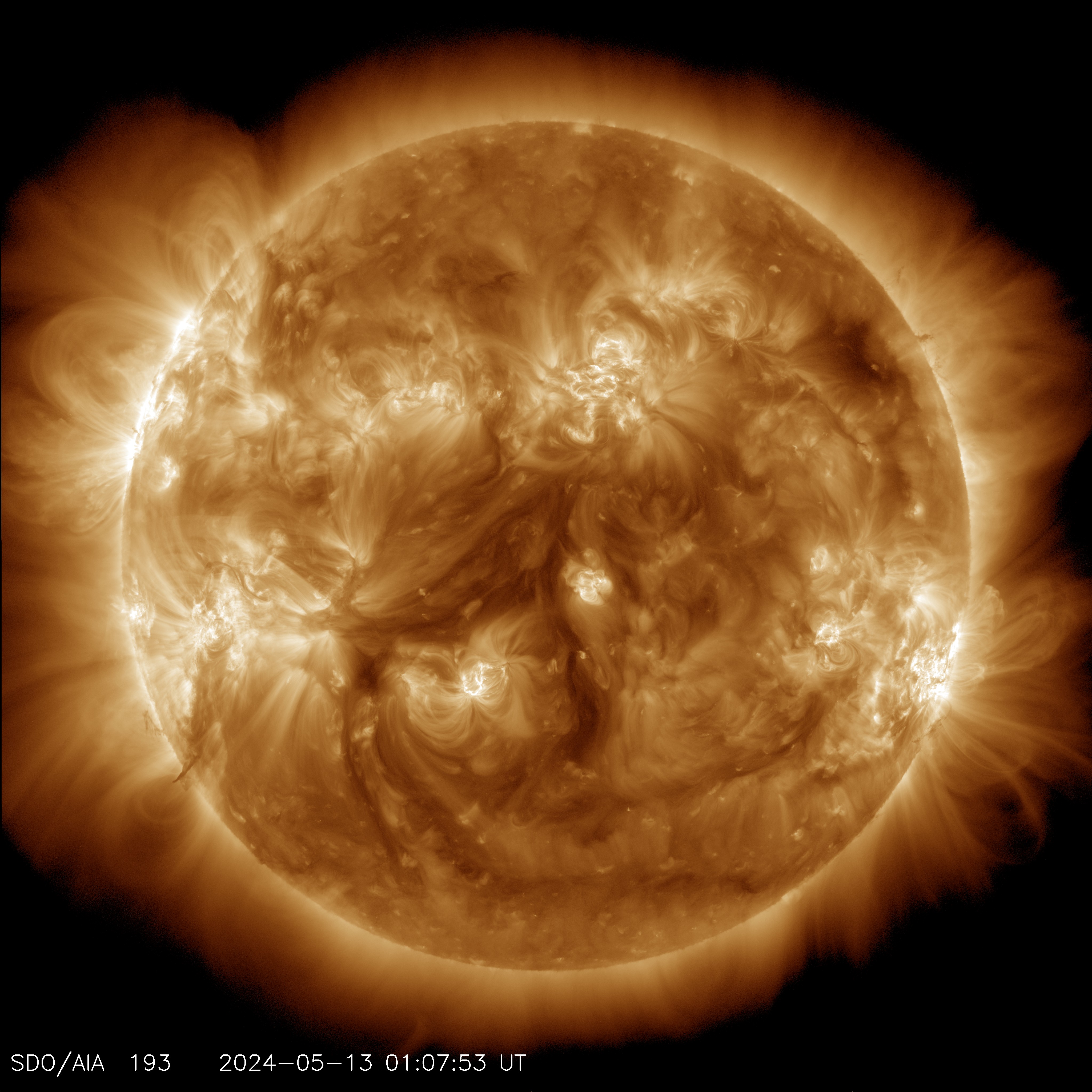
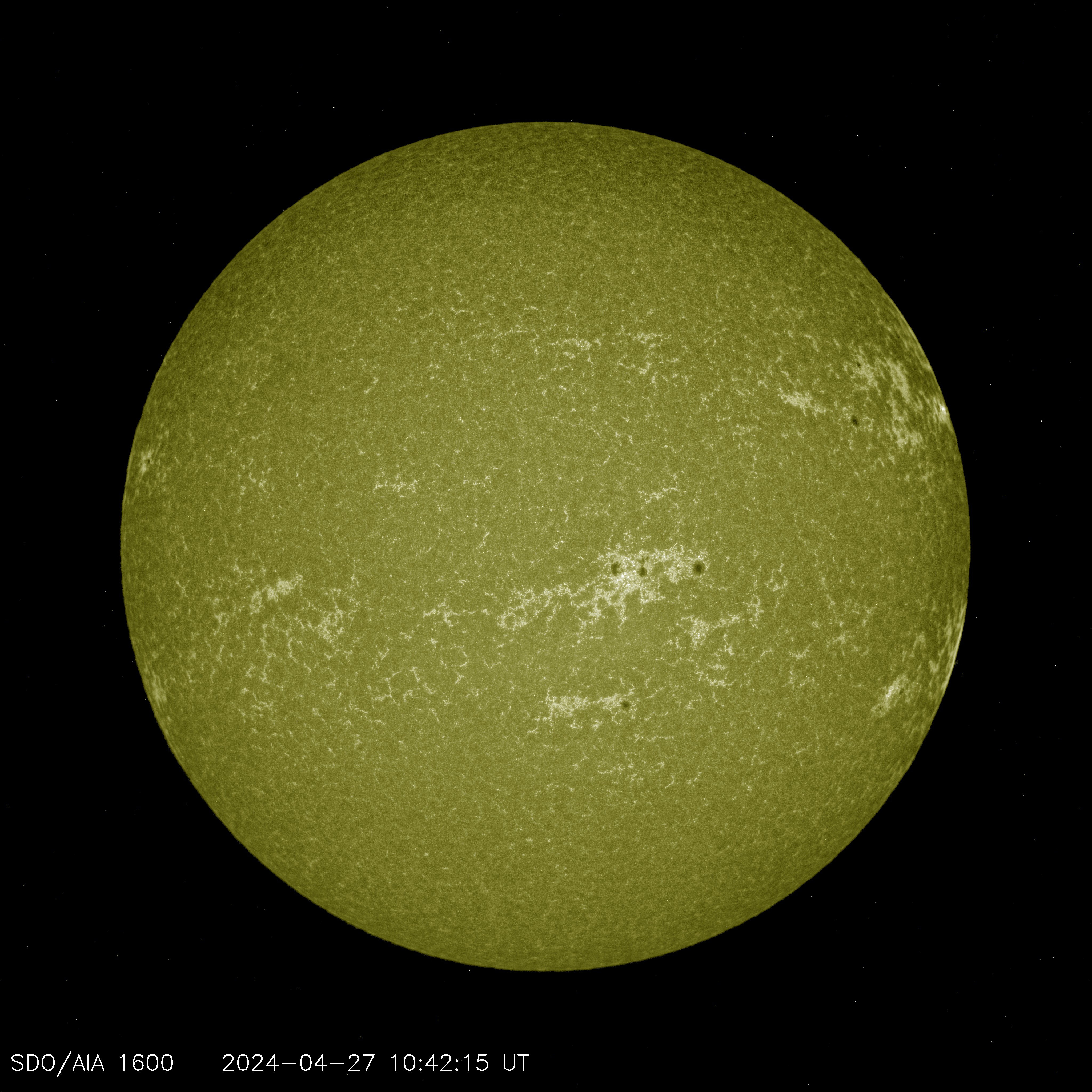
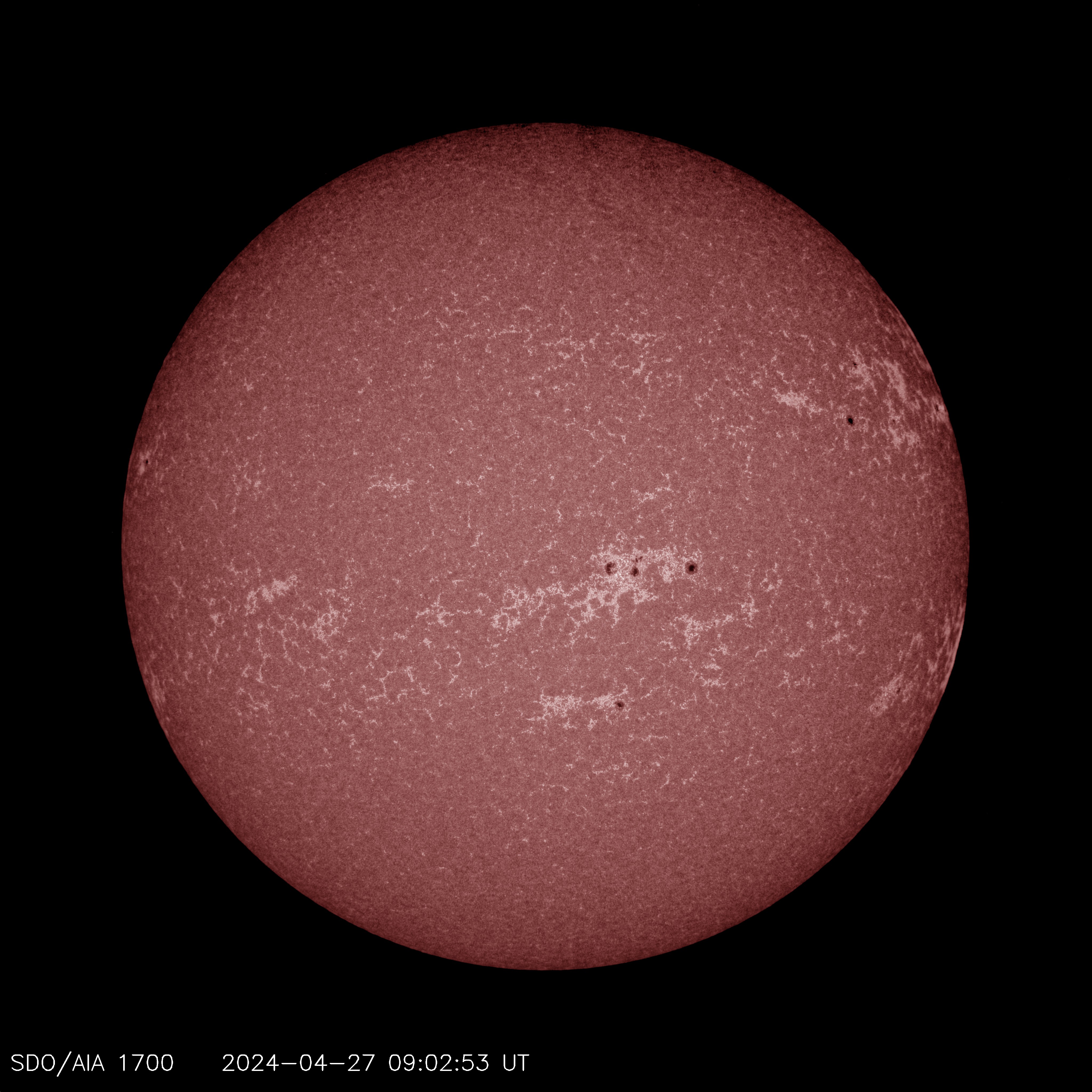
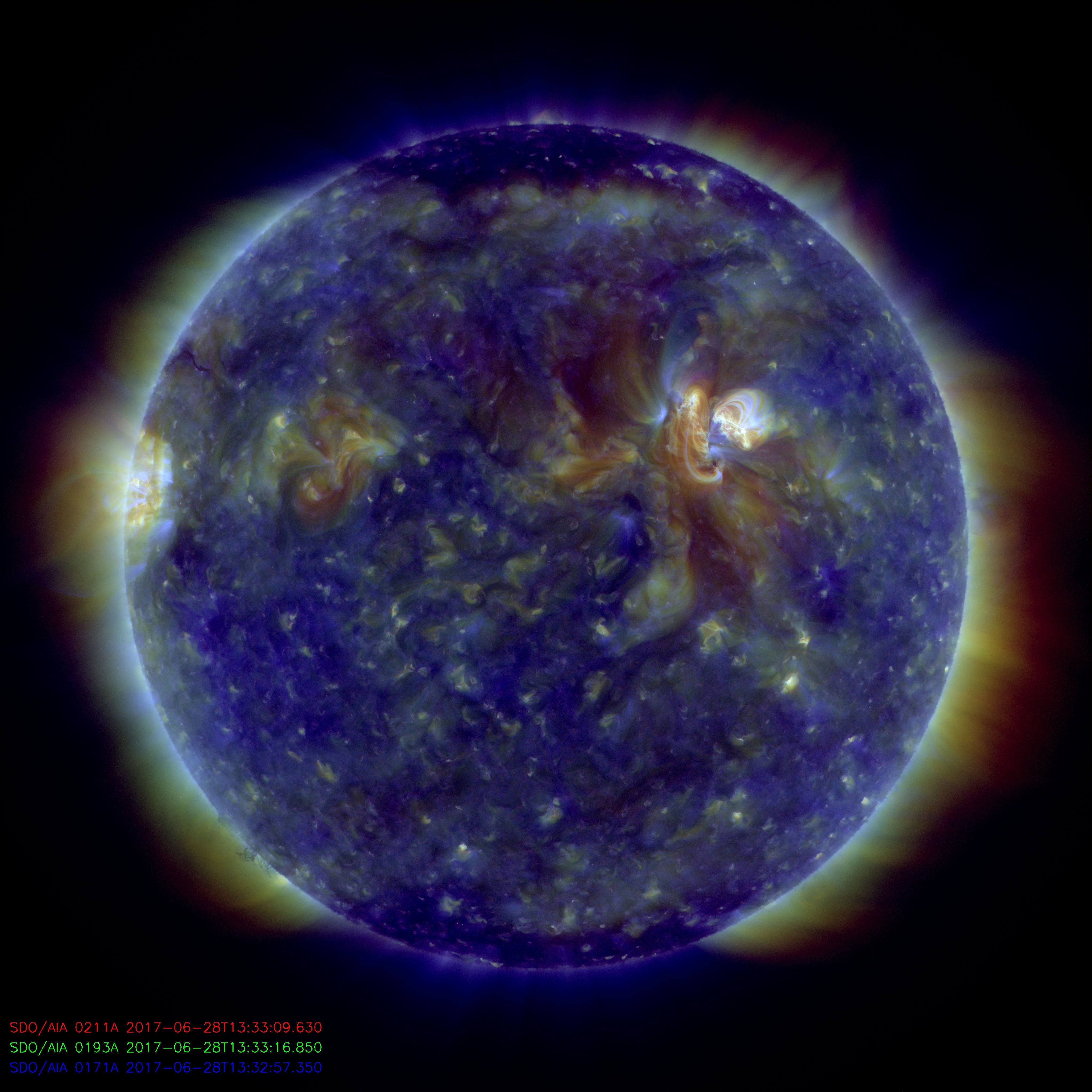
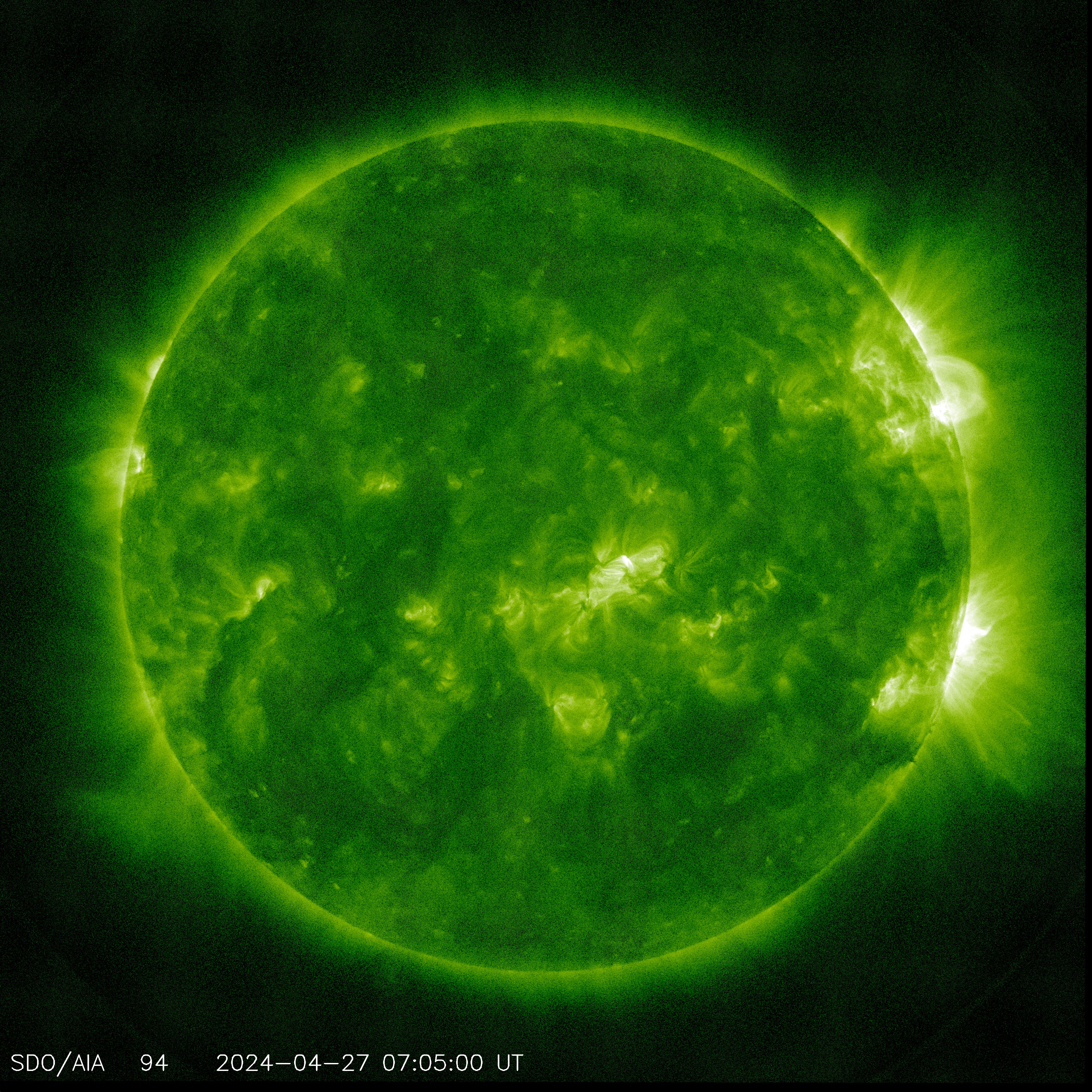
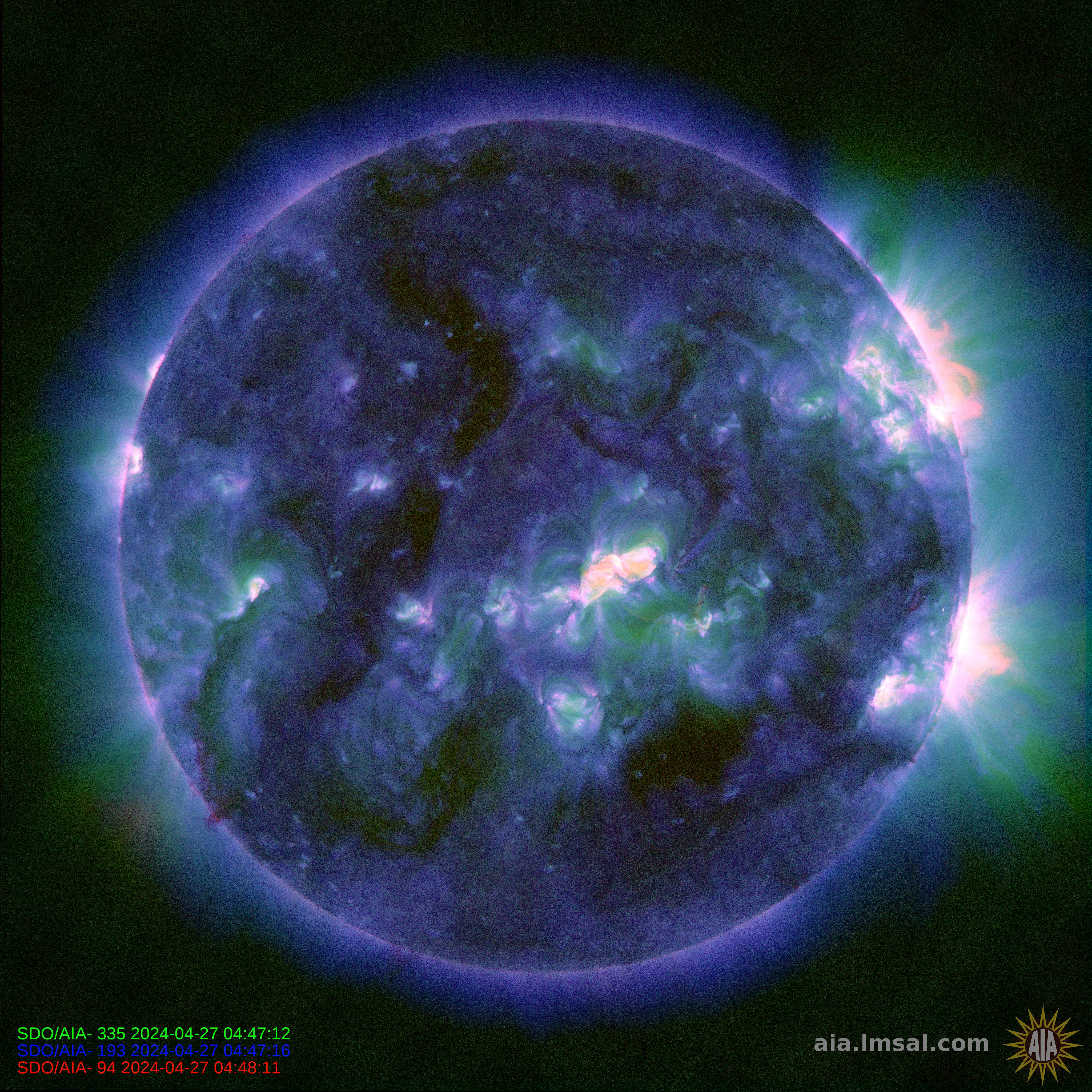
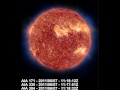
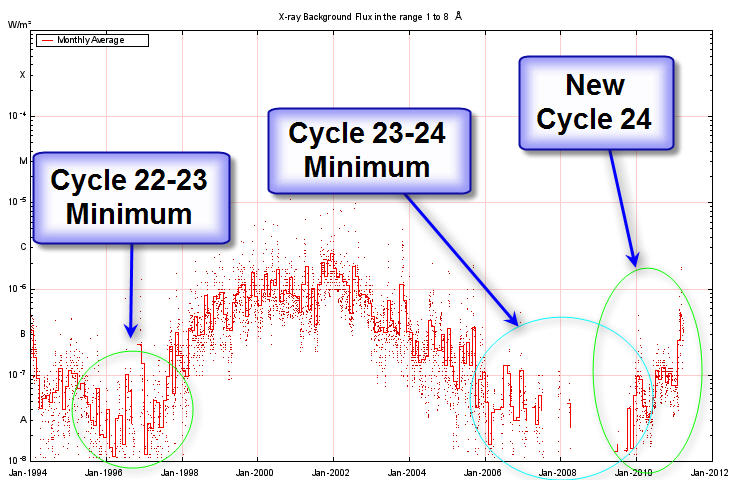
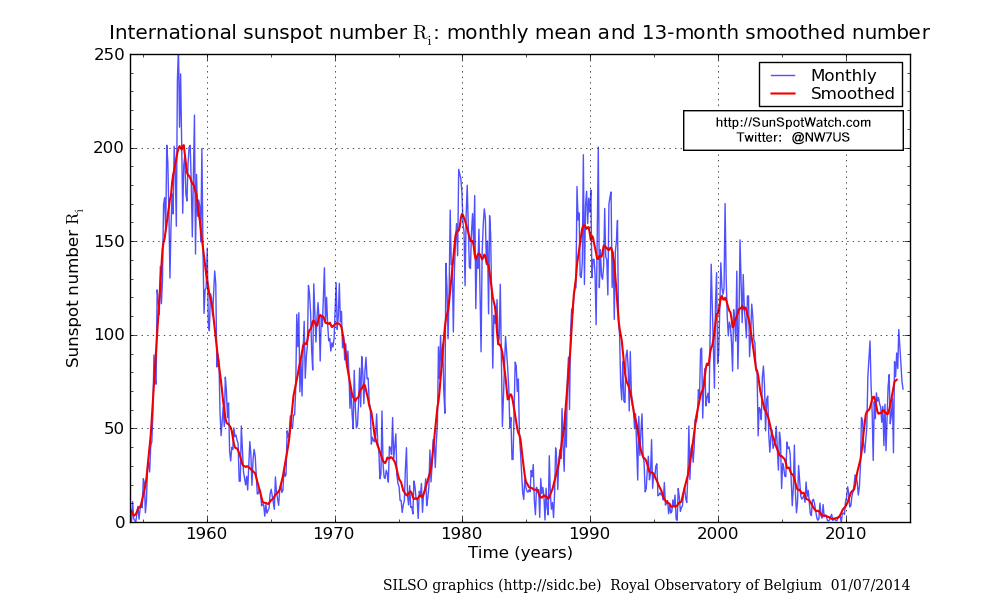
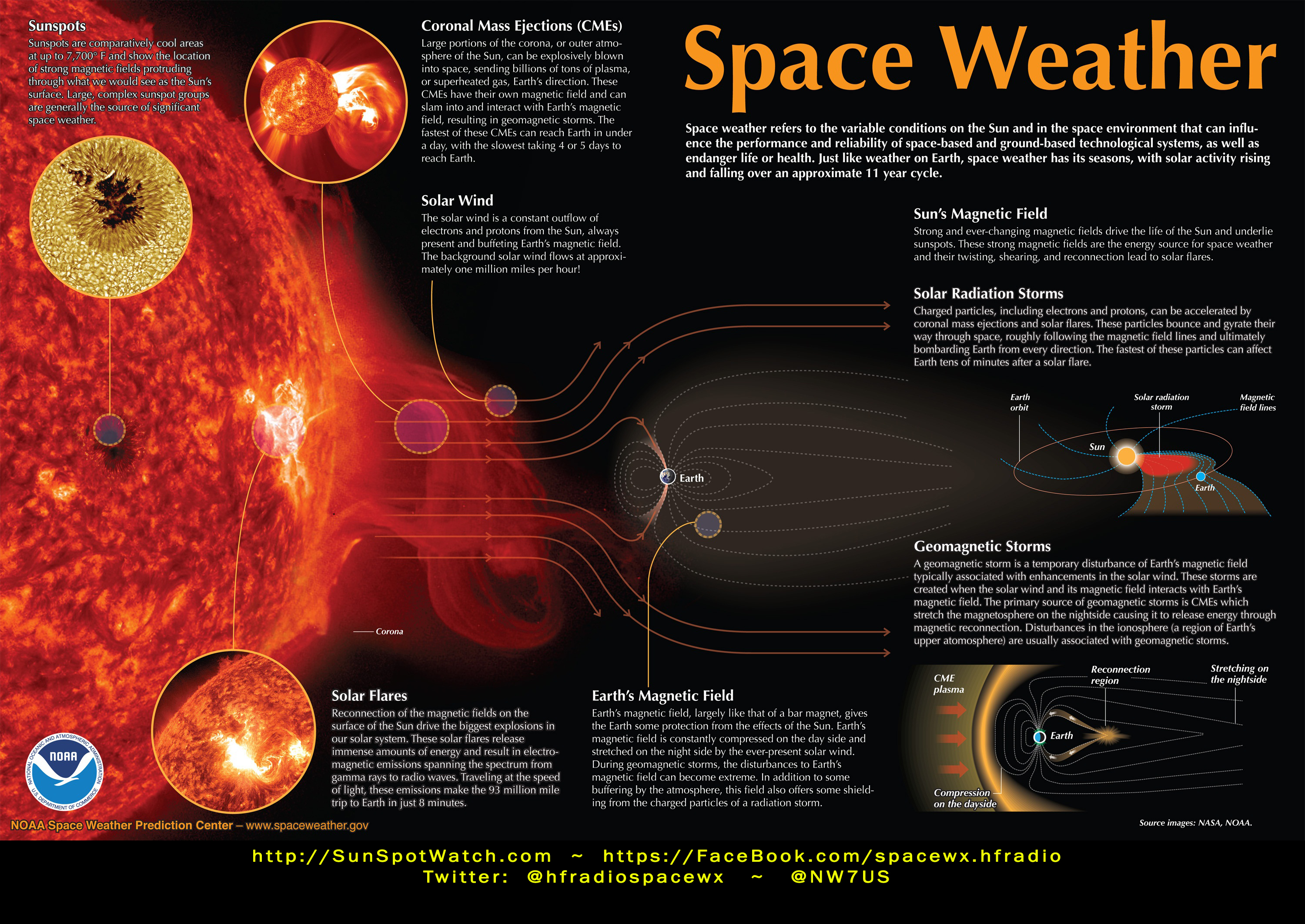
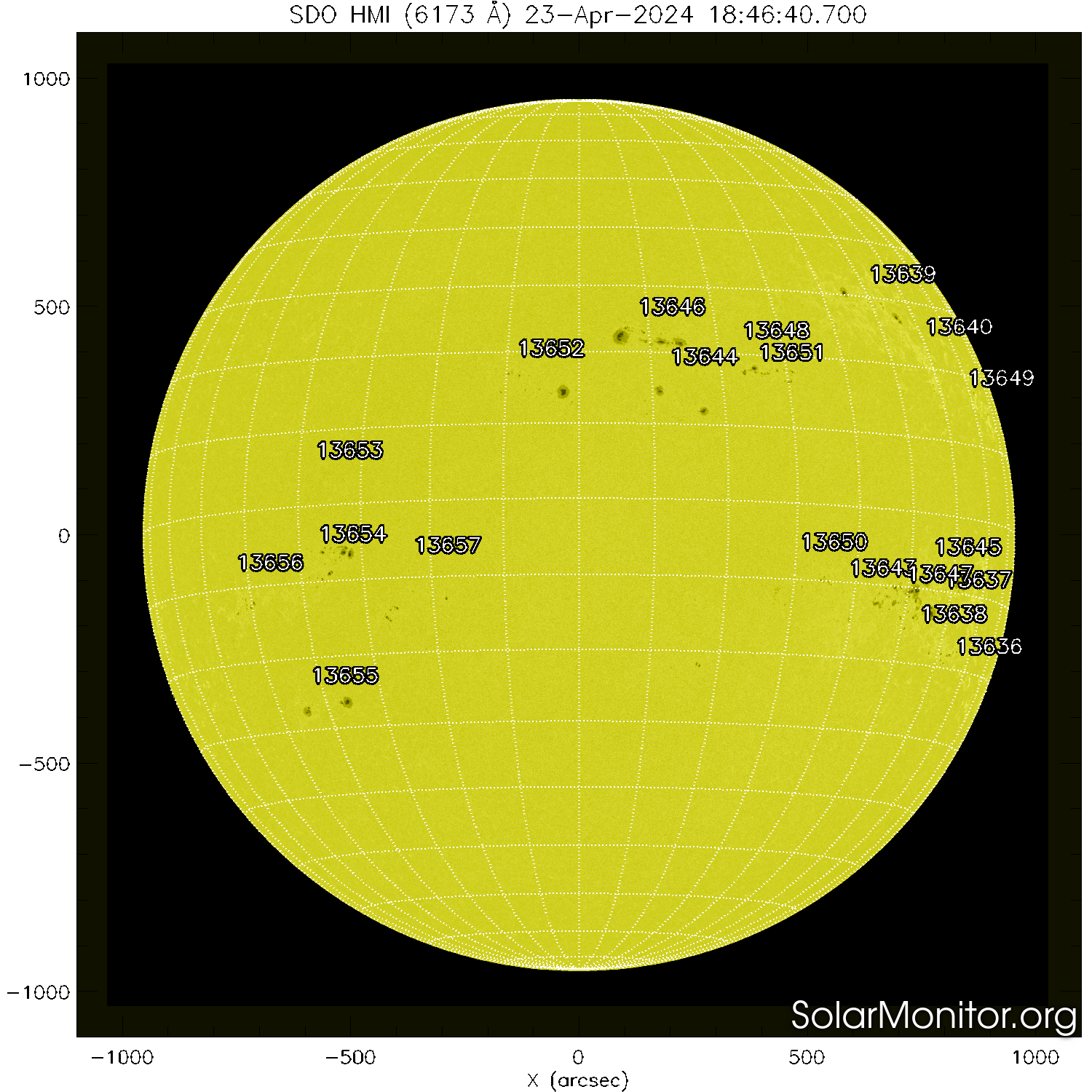
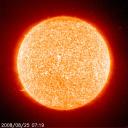
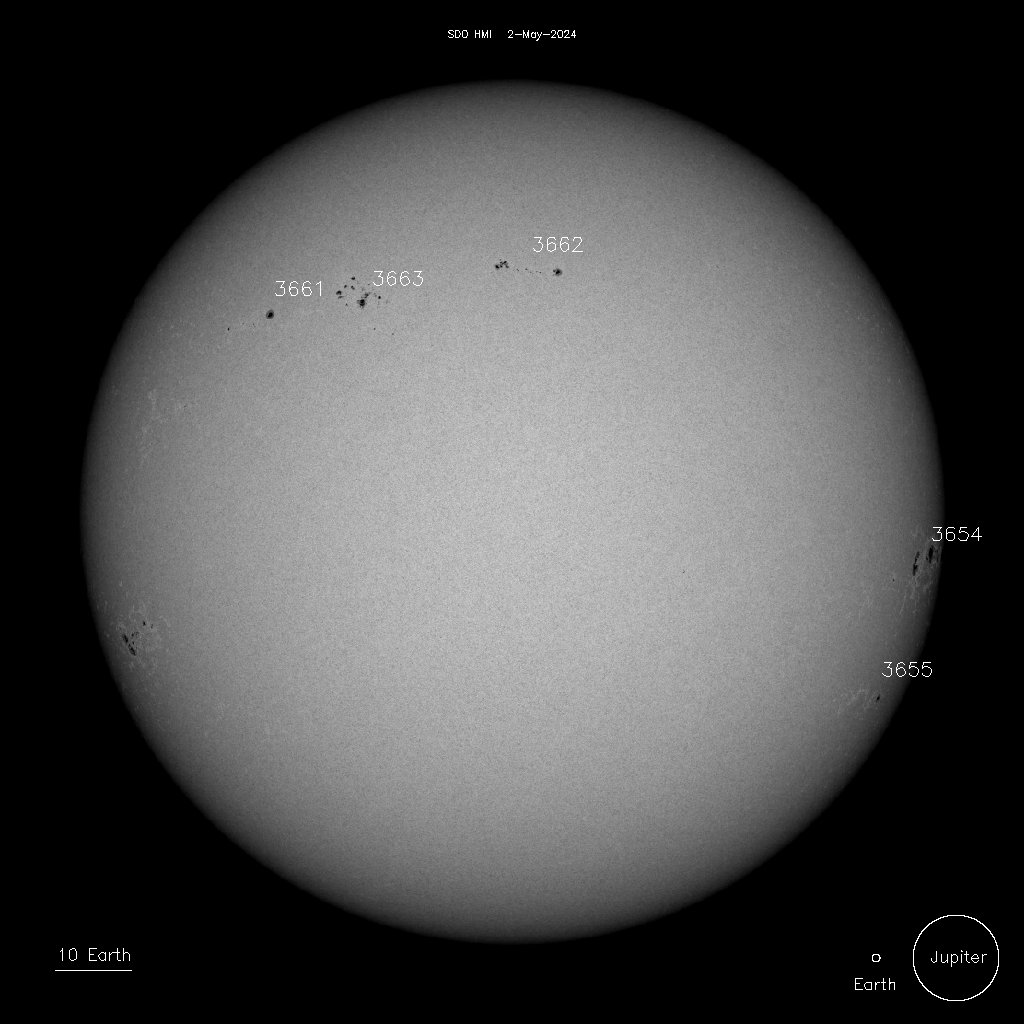
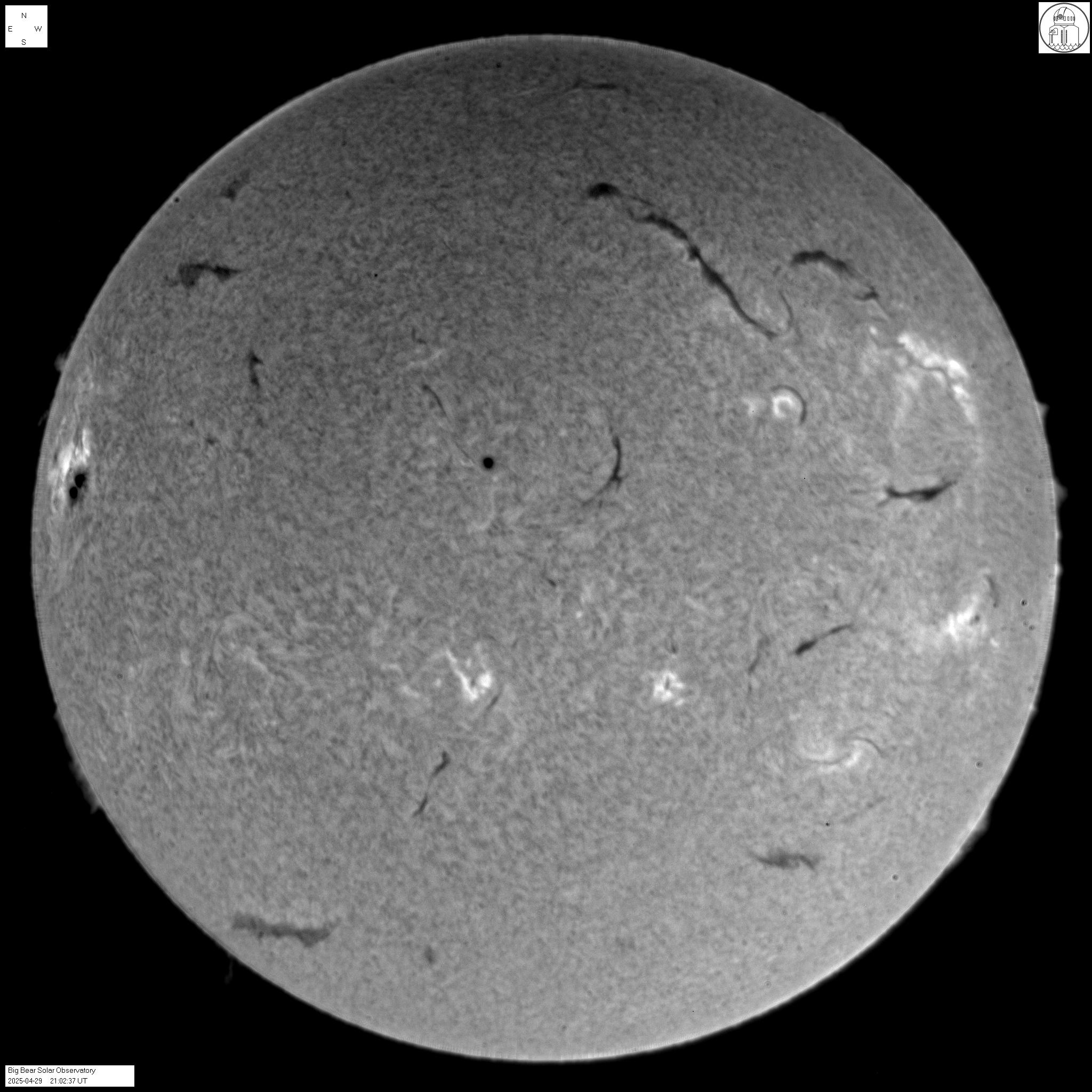
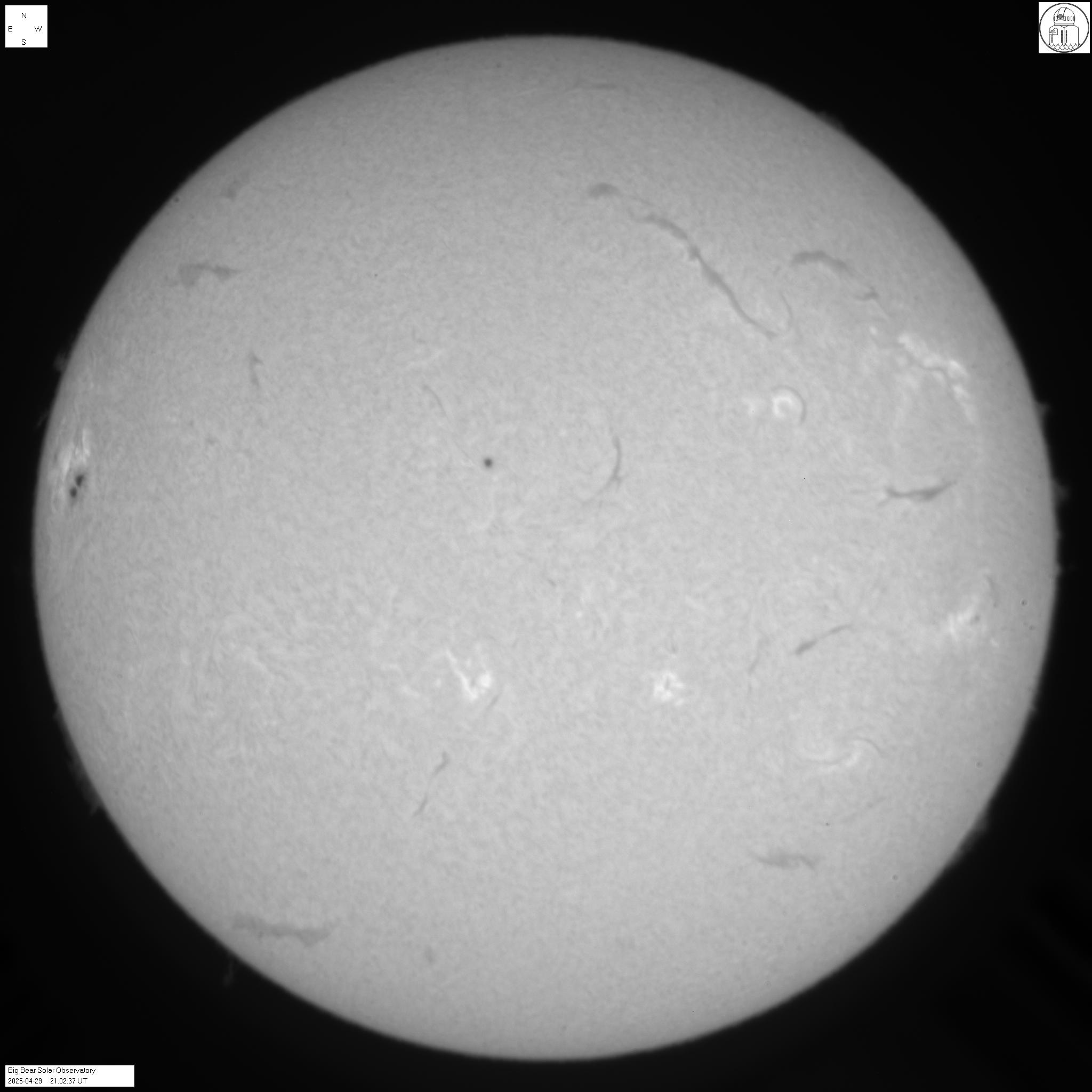
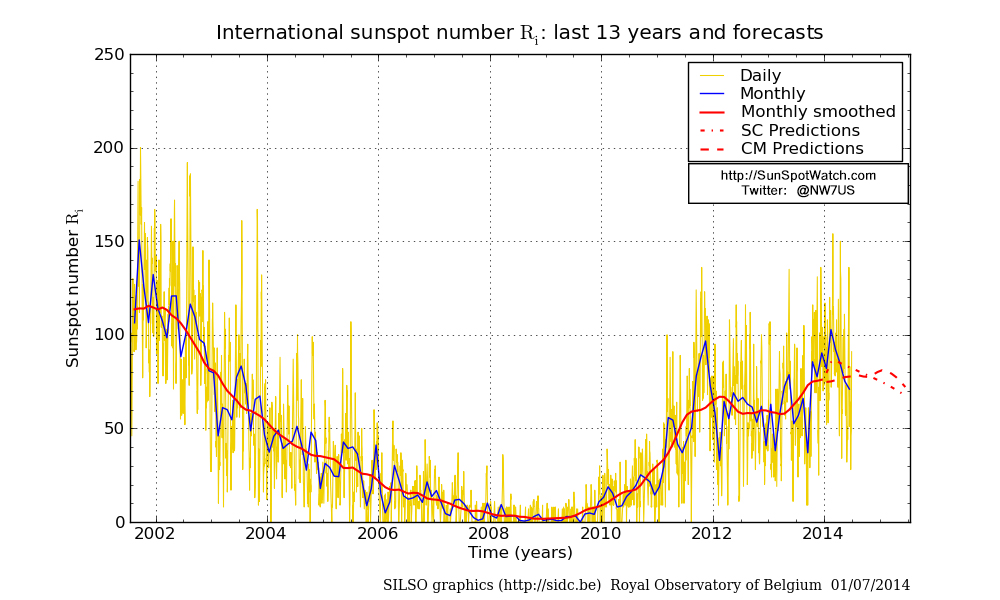
Ahhh...there's no need to get discouraged just yet! A 25' indoor antenna is about 1 full wave at 28 MHZ. That's at the very HIGH end of the short wave spectrum. Right now, propagation there is very spotty because while solar cycle 24 is just getting started, the solar flux is HORRIBLE, with no good sunspots for days. Solar flux today is 75. BAD.
The 25' indoor antenna might be a part of it. Since you DO have a SO-239 connector, some wire, 50' of RG-58 coax from Radio Shack, a $14 "Center Conductor" from the Wire Man at wireman.com, and some wire (at LEAST 100', and even more if you can) and construct a dipole or closed loop. If you have any trees on your property, look at is that a devine being just saved youy $1,000 on buying and installing an aluminium tower! The best way to go is a 300' closed loop if you have the space, and if you daisy-chain it through some high tree limbs it's almost invisible to passers-by.
Let's start off at your sunset, local time: Scan the AM band on AM and keep it on AM until tou get to about 1.800 MHz. Switch it over to SSB (LSB if you have the option). Listen closely for morse code signals from 1.800 to 1.825 MHZ. If you hear some, GREAT. keep tuning slowly up toward 2.000 MHz and listen out for voice stations.
There is a Canadian time and interval station on 3.333 MHz AM. There is another USA time and interval station at 5.000 AM.
Past 5.000, keep tuning upwards in frequency and you should begin running into some loud AM short wave stations from 5.800 to 6.300 mHz. This is what is known as the "49 Meter Band" There is a giant cross section of stations here from local sunset until local midnight and later from all over the world! You will hear 2 or 3 stations from China, Bulgaria, the UK (BBC), Radio Netherlands, and Cuba. That is a good start!
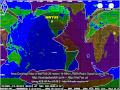
With the sunspot conditions what they are at present and a very low solar flux, your best bets during the time of local day light hours will be from 10 MHz to about 18 MHz, but even then it's hit-or-miss. Best bets for local sunset to sunrise will most definitely be 5.800 MHz to about 12.800 MHz. Anything you catch at night above 11.900 MHz consider a gift. The MUF (Maximum Useavle Frequency) is pretty low without decent sunspot activity.
The absolute BEST thing you can do is get your outdoor antenna project up and going. Once you have assembled the coax, wire, center connector, and some "masonary twine" (which is actually a form of thin nylon rope), the antenna should go up in about an hour. If you have trees, feel free to make use of a fishing pole, a 1 OZ weight to launch the weight into a high branch. Let the weight fall to the ground on the other side and then take off the weight and attach the masonary twine and pull the twine back up and over back to the Place you launced it from. THAT is what you can attach firmly to the wire and then pull the wire up with the masonary twine you secured somewhere on theh other side of the tree. You can just tie it around the tree chest high as the anchor after the wire has been raised. Lather, rinse, repeat, until the wire is as high up as you can get it.
You can even have just one high support and then make an upside down "V" or inverted Vee antenna and it will work just as well, but closed loops are far wuieter and far less prone to static.
Run the other end of the coax back through the window to your radio and you are in business!
73
Bruce